 By A Zadid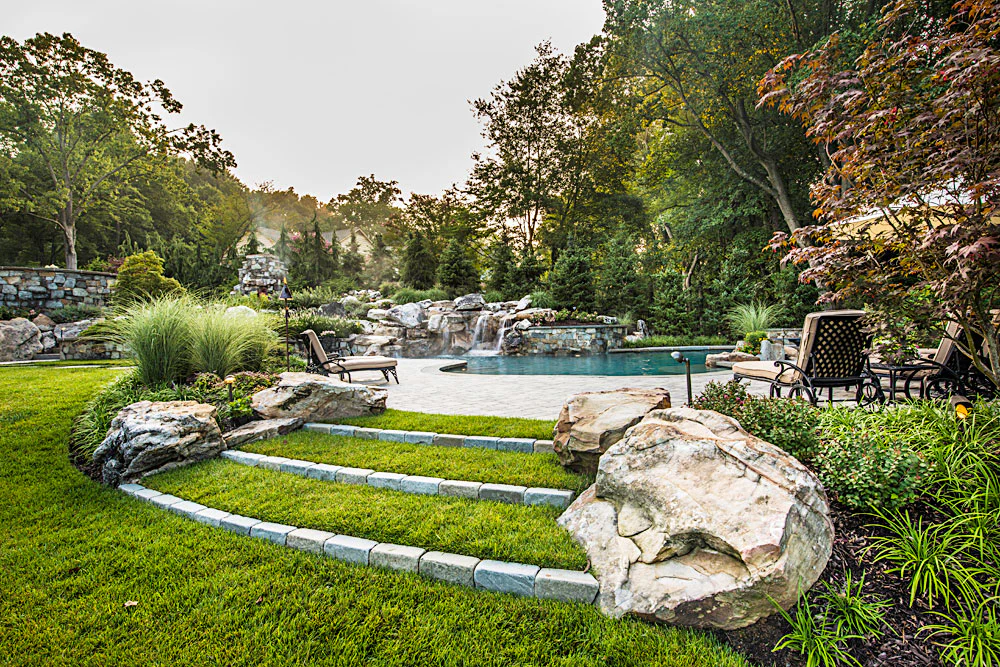
Landscaping is the art and science of modifying outdoor areas to create spaces that are both visually appealing and practical. It combines elements of design, horticulture, architecture, and environmental awareness to shape gardens, yards, parks, and commercial spaces. Whether for a small residential garden or a large public park, landscaping plays a vital role in enhancing the quality of life and increasing the value of property.Call Cove Creek Industries for mulch Charlottesville, VA.
At its core, landscaping involves planning and arranging natural and man-made elements such as plants, trees, lawns, pathways, water features, lighting, and structures. A well-designed landscape balances aesthetics with functionality. For example, a garden may be designed not only to look beautiful but also to provide shade, reduce noise, improve privacy, and support local biodiversity.
One of the most important aspects of landscaping is design. Landscape design begins with an understanding of the site, including its soil type, climate, drainage patterns, sunlight exposure, and existing vegetation. Designers also consider the needs and preferences of the property owner. Some people prefer low-maintenance gardens, while others want vibrant flower beds or edible gardens with fruits and vegetables.
Hardscaping is another key component of landscaping. This refers to the non-living elements such as stone pathways, patios, retaining walls, fences, and decks. Hardscaping provides structure and organization to outdoor spaces. For instance, a stone pathway can guide movement through a garden, while a retaining wall can prevent soil erosion on sloped land. These features not only improve usability but also add character and contrast to natural elements.
Softscaping, on the other hand, focuses on living components like grass, flowers, shrubs, and trees. Plant selection is crucial because different plants have different requirements for sunlight, water, and soil conditions. Native plants are often preferred because they are well adapted to local climates and require less maintenance. Additionally, they support local wildlife such as birds, bees, and butterflies, contributing to a healthier ecosystem.
Sustainability has become an increasingly important consideration in modern landscaping. Eco-friendly practices include using drought-resistant plants, installing efficient irrigation systems, and reducing chemical fertilizers and pesticides. Rainwater harvesting systems and permeable paving materials are also used to conserve water and reduce environmental impact. Sustainable landscaping not only protects the environment but can also reduce long-term maintenance costs.
Another growing trend in landscaping is the creation of outdoor living spaces. These include outdoor kitchens, seating areas, fire pits, and entertainment zones that extend the living space of a home. Such designs encourage people to spend more time outdoors and connect with nature. In urban areas where green space is limited, rooftop gardens and vertical gardens are also becoming popular solutions.
Maintenance is a critical part of landscaping. Even the most beautifully designed landscape requires regular care to remain healthy and attractive. Tasks such as mowing the lawn, pruning plants, removing weeds, fertilizing soil, and managing pests ensure that the landscape continues to thrive over time. Seasonal maintenance is also important, as different times of the year require different care strategies.
Landscaping also has psychological and social benefits. Studies show that well-designed green spaces can reduce stress, improve mood, and enhance overall well-being. Public parks and community gardens provide spaces for social interaction, recreation, and relaxation, strengthening community bonds.
In conclusion, landscaping is much more than decorating outdoor spaces. It is a thoughtful process that blends creativity, environmental science, and practical planning. By carefully designing and maintaining outdoor environments, landscaping enhances beauty, supports ecological balance, and improves the way people interact with their surroundings.
 Alex Robinson