 By emran hossain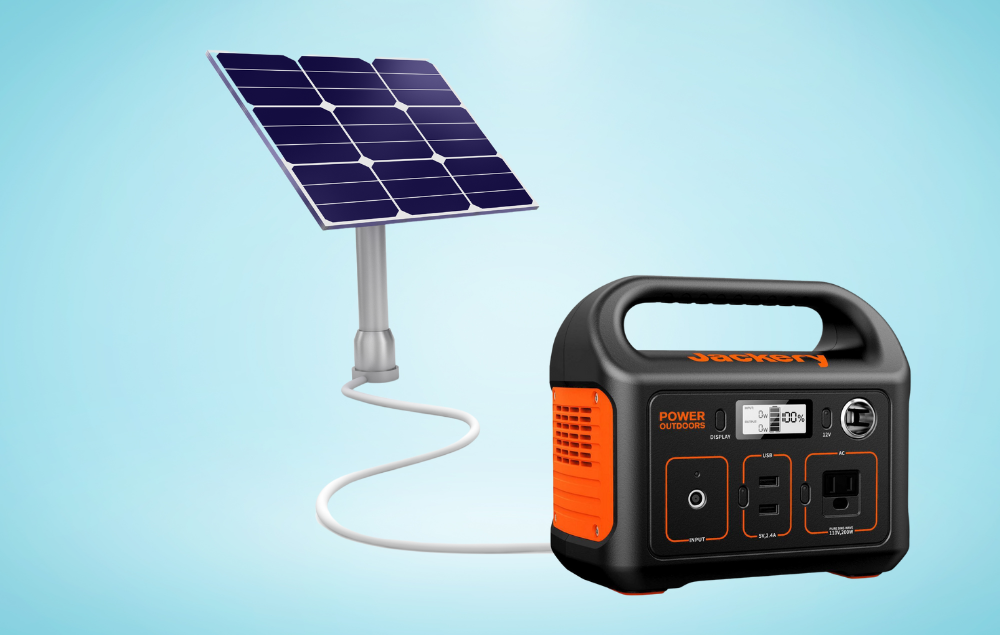
As the world shifts toward sustainable energy, the portable solar panel has emerged as one of the most practical and accessible solutions for clean power on the go. Whether you’re camping in the wilderness, traveling in an RV, preparing for emergencies, or simply looking to reduce your carbon footprint, portable solar panels offer flexibility, efficiency, and independence from traditional power sources.
This article explores what a portable solar panel is, how it works, its benefits, common use cases, and what to consider before buying one.
What Is a Portable Solar Panel?
A portable solar panel is a compact, lightweight solar power system designed to be easily transported and used anywhere sunlight is available. Unlike fixed rooftop solar panels, portable versions are foldable or slim, often equipped with handles, kickstands, and multiple output ports.
They convert sunlight into electricity using photovoltaic (PV) cells and can either:
- Charge devices directly (phones, tablets, laptops), or
- Store energy in a portable power station or battery for later use.
How Does a Portable Solar Panel Work?
The working principle of a portable solar panel is simple:
- Sunlight hits the solar cells, usually made of monocrystalline or polycrystalline silicon.
- Photovoltaic cells convert sunlight into DC electricity.
- The electricity flows through a charge controller, which regulates voltage and current.
- Power is delivered directly to devices or stored in a battery or power station.
Most modern portable solar panels include USB-A, USB-C, DC, or MC4 connectors, making them compatible with a wide range of devices and solar generators.
Benefits of Using a Portable Solar Panel
1. Clean and Renewable Energy
A portable solar panel uses sunlight, a renewable and environmentally friendly energy source. It produces no emissions, noise, or pollution, making it ideal for eco-conscious users.
2. True Portability
Designed for mobility, portable solar panels are lightweight, foldable, and easy to carry. Many models fit into backpacks or compact storage bags, perfect for outdoor adventures.
3. Energy Independence
With a portable solar panel, you’re no longer dependent on wall outlets or fuel-powered generators. This is especially valuable in remote areas or during power outages.
4. Low Maintenance
Once purchased, a portable solar panel requires minimal maintenance. Occasional cleaning and proper storage are usually all that’s needed to keep it functioning efficiently.
5. Cost Savings Over Time
Although there is an upfront cost, a portable solar panel can save money in the long run by reducing reliance on paid electricity, fuel, or disposable batteries.
Common Uses of a Portable Solar Panel
Camping and Outdoor Activities
Campers and hikers use portable solar panels to charge phones, GPS devices, cameras, and lanterns without disturbing nature with noisy generators.
RV and Van Life
For RV owners and van lifers, a portable solar panel provides supplemental or primary power for lights, fans, refrigerators, and electronics while off-grid.
Emergency and Backup Power
During natural disasters or unexpected power outages, a portable solar panel can keep essential devices running, such as phones, radios, and medical equipment.
Travel and Remote Work
Digital nomads and remote workers rely on portable solar panels to power laptops and communication devices while working from beaches, mountains, or rural locations.
Everyday Use
Even at home, a portable solar panel can be used in the backyard or balcony to charge power banks and small electronics, reducing electricity bills.
Types of Portable Solar Panels
Monocrystalline Portable Solar Panels
- Higher efficiency
- Better performance in low light
- Slightly more expensive
- Ideal for users who want maximum power in a smaller size
Polycrystalline Portable Solar Panels
- More affordable
- Slightly lower efficiency
- Suitable for casual or budget-conscious users
Foldable Solar Panels
- Most popular design
- Easy to transport and store
- Often include kickstands for better sun angle
Key Features to Look For
When choosing a portable solar panel, consider the following:
Power Output (Wattage)
Portable solar panels typically range from 20W to 300W. Higher wattage means faster charging and support for more devices.
Efficiency
Look for panels with efficiency ratings above 20%, especially if space and weight matter.
Port Compatibility
Ensure the panel supports USB-A, USB-C PD, DC, or MC4 outputs depending on your devices or power station.
Durability
Weather-resistant materials and rugged construction are important for outdoor use.
Weight and Size
A truly portable solar panel should balance power with ease of transport.
Limitations of Portable Solar Panels
While a portable solar panel is highly useful, it does have limitations:
- Power output depends heavily on sunlight conditions
- Not suitable for running high-power appliances directly
- Charging can be slower on cloudy days
- Requires proper positioning for optimal performance
Understanding these limitations helps set realistic expectations.
Tips for Getting the Best Performance
- Always place your portable solar panel at an angle facing direct sunlight
- Avoid shading, even partial shadows
- Clean the panel surface regularly
- Use it during peak sun hours (10 a.m. – 3 p.m.)
- Pair it with a quality power station for energy storage
Is a Portable Solar Panel Worth It?
For most people, the answer is yes. A portable solar panel offers freedom, sustainability, and peace of mind. It’s an excellent investment for outdoor enthusiasts, emergency preparedness, travelers, and anyone interested in clean energy solutions.
As technology advances, portable solar panels are becoming more efficient, affordable, and versatile—making them a smart choice for modern energy needs.
Final Thoughts
The best diapers for newborns represents a powerful step toward energy independence and sustainability. Whether you’re exploring the outdoors or preparing for the unexpected, it provides reliable, renewable power wherever the sun shines.
By understanding how portable solar panels work and choosing the right one for your needs, you can enjoy clean energy anytime, anywhere—without compromise.
 Alex Robinson