 By Mamunnur Roshid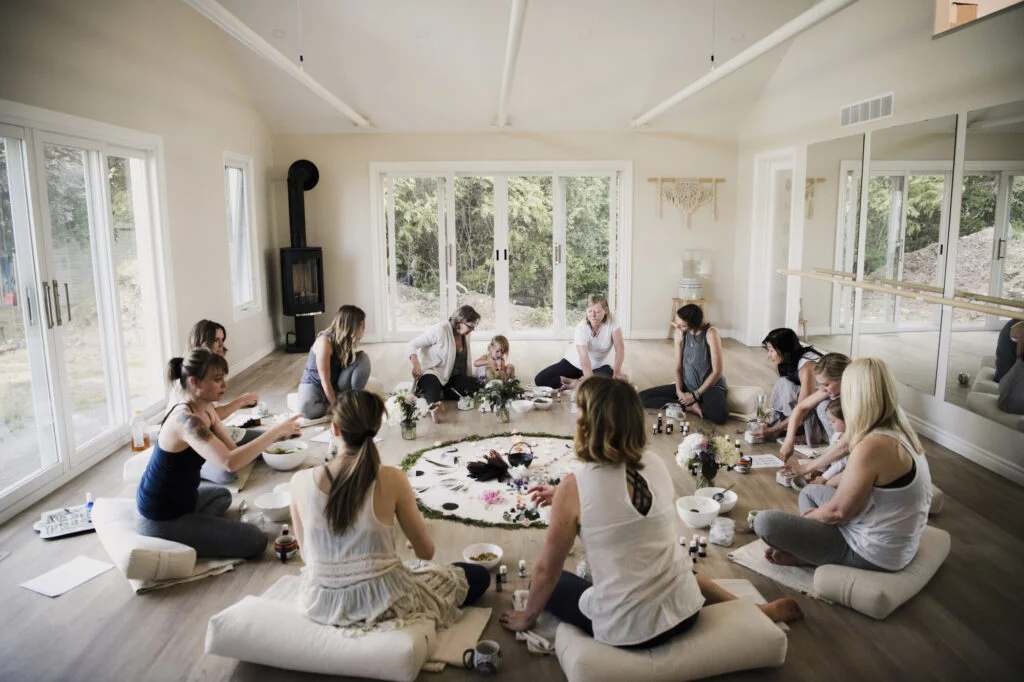
Modern life can become overwhelming when work, responsibilities, digital distractions, and constant schedules leave little time for rest. Taking a break in a peaceful environment can provide an opportunity to slow down, reflect, and reconnect with personal priorities. A thoughtfully designed retreat experience can offer a combination of relaxation, meaningful activities, and time away from everyday pressures.
Choosing the Right Environment
The surroundings can strongly influence the overall experience. Natural scenery, quiet spaces, comfortable accommodations, and access to outdoor areas can create a calmer atmosphere.
Some people prefer locations surrounded by forests, mountains, beaches, or countryside, while others may feel more comfortable in a quiet facility closer to urban areas. The best choice depends on personal preferences and the type of experience someone wants.
Identify Your Purpose
Before selecting a retreat destination, it is useful to determine what you hope to gain from the experience. Some people want uninterrupted rest, while others may be interested in meditation, personal development, creative activities, fitness, or group experiences.
Having a clear purpose can make it easier to compare programs and choose an environment that matches your expectations.
Consider Available Activities
Different retreat facilities offer different programs. Depending on the location, activities may include guided meditation, yoga, nature walks, workshops, creative sessions, journaling, relaxation practices, or group discussions.
Not every activity will appeal to everyone. Reviewing the schedule in advance can help visitors choose a program that feels enjoyable rather than overly demanding. If you are looking for a Bay Area spiritual retreat call The Source Center for Healing, Retreat.
Look at Accommodation Options
Comfort is another important consideration. Visitors should check room types, privacy options, shared facilities, meal arrangements, internet availability, and other amenities before making a reservation.
For people specifically looking for a digital break, limited internet access may be an advantage. Others may require reliable connectivity for occasional work or communication.
Pay Attention to Food and Wellness Options
Meals can be an important part of the overall experience. Some facilities provide prepared meals based on specific dietary preferences, while others offer standard menus.
Visitors should check available food choices in advance, particularly if they have allergies, dietary restrictions, or personal preferences. Staying hydrated and maintaining balanced meals can also support energy during activities.
Create Time for Reflection
One of the main benefits of stepping away from a busy routine is having uninterrupted time to think. Journaling, quiet walks, reading, or simply sitting without distractions can create space for reflection.
There is no need to fill every moment with scheduled activities. Unstructured time can be just as valuable as organized sessions, especially for people who are accustomed to busy daily routines.
Consider Group or Private Experiences
Some people enjoy connecting with others during a retreat, while others prefer solitude. Group programs can provide opportunities to share experiences and meet people with similar interests.
Private or smaller programs may be better suited to individuals who want more personal space and a quieter atmosphere. Checking group sizes and daily schedules beforehand can help avoid surprises.
Plan for a Lasting Impact
A short getaway can feel refreshing, but the benefits may be easier to maintain when visitors bring practical habits home. Simple routines such as regular breaks, reduced screen time, mindful activities, outdoor walks, or dedicated personal time can continue after the retreat ends.
The goal does not necessarily have to be making dramatic lifestyle changes. Small improvements that fit naturally into everyday life are often easier to maintain.
Conclusion
A peaceful retreat experience can provide valuable time away from daily responsibilities and digital distractions. By choosing a suitable environment, identifying personal goals, reviewing activities, considering accommodation and food options, and allowing enough time for reflection, visitors can create a more meaningful experience. Whether the goal is relaxation, personal growth, or simply a change of surroundings, a carefully planned retreat can offer an opportunity to return home feeling refreshed and more focused.
 A Zadid