 By Mamunnur Roshid
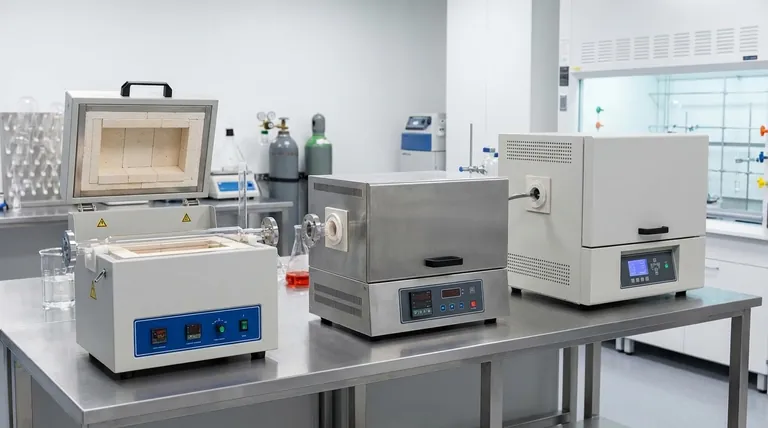
Production planning is one of the most important management activities in manufacturing. Factories must coordinate machinery, employees, raw materials, and delivery schedules to maintain consistent operations. When these resources are not properly organized, businesses may experience unnecessary expenses, delayed orders, and increased production waste.
A well-developed production plan helps manufacturers understand their requirements and use available resources more efficiently. It also makes it easier to identify operational problems before they affect customer commitments.
Identifying the Main Sources of Production Waste
Manufacturing waste can occur in several forms. Excessive material consumption, unnecessary transportation, equipment downtime, defective products, and inefficient scheduling are common examples.
Businesses should examine their production activities to determine where resources are being lost. Collecting accurate operational data can reveal patterns that are difficult to identify through observation alone.
For example, repeated equipment interruptions may indicate a maintenance problem. Similarly, excessive inventory may suggest that purchasing decisions are not properly connected to production requirements.
Managers should focus on identifying the causes of waste rather than simply reducing resources without understanding their purpose.
Choosing Materials That Match Production Needs
Material planning is an important part of reducing manufacturing waste. Purchasing unsuitable materials can result in damaged products, production delays, and unnecessary replacement expenses.
Quartz is used in various specialized industrial environments, including applications involving laboratory equipment and controlled heating processes. Different quartz products have different dimensions, purity levels, and thermal characteristics.
Custom Custom Quartz Furnace Tubes Furnace Tubes may be relevant when a production system requires specific component dimensions or material characteristics. Manufacturers should confirm specifications before purchasing to reduce the possibility of ordering unsuitable products.
Accurate material information also helps purchasing departments coordinate deliveries and maintain appropriate inventory levels.
Improving Production Scheduling
Production scheduling determines when specific manufacturing activities should take place. A practical schedule considers machine availability, employee capacity, material delivery dates, and customer deadlines.
Poor scheduling can create bottlenecks when several departments depend on the same equipment or resources.
Manufacturers can use digital planning systems to organize production activities and identify possible conflicts. These systems can also help managers adjust schedules when unexpected changes occur.
However, technology alone cannot replace effective management. Production plans must be reviewed regularly to ensure that they reflect actual factory conditions.
Reducing Equipment Downtime
Equipment downtime can significantly affect manufacturing productivity. When important machinery becomes unavailable, production may stop or move more slowly.
Preventive maintenance helps reduce these interruptions by identifying potential equipment problems before they become serious.
Maintenance teams should inspect critical machinery according to operating conditions and manufacturer recommendations. Spare parts should also be available when replacement is necessary.
Businesses can monitor equipment performance through maintenance records and production data. This information helps identify machines that require additional attention.
Improving Employee Coordination
Manufacturing operations depend on cooperation between different departments. Purchasing teams need accurate information from production managers, while maintenance employees must understand equipment priorities.
Clear communication reduces misunderstandings and helps departments respond more quickly to changing requirements.
Regular production meetings can provide opportunities to review upcoming orders, material availability, maintenance activities, and quality concerns.
Employees should also be encouraged to report operational difficulties. Workers who perform daily tasks often recognize inefficiencies that may not be visible to senior management.
Developing a More Efficient Manufacturing Strategy
Reducing operational waste requires continuous evaluation of production activities. Businesses should review material consumption, machine utilization, product quality, and delivery performance.
Small improvements introduced consistently can create meaningful long-term benefits. These may include better scheduling, improved storage arrangements, employee training, and updated equipment maintenance procedures.
Manufacturers that combine accurate planning with suitable materials and effective communication can improve productivity without unnecessarily increasing operating expenses.
A successful production strategy should focus on delivering reliable products while using resources responsibly. This approach supports stronger business performance and creates a more sustainable manufacturing environment.
 A Zadid
 Alex Robinson