 By A Zadid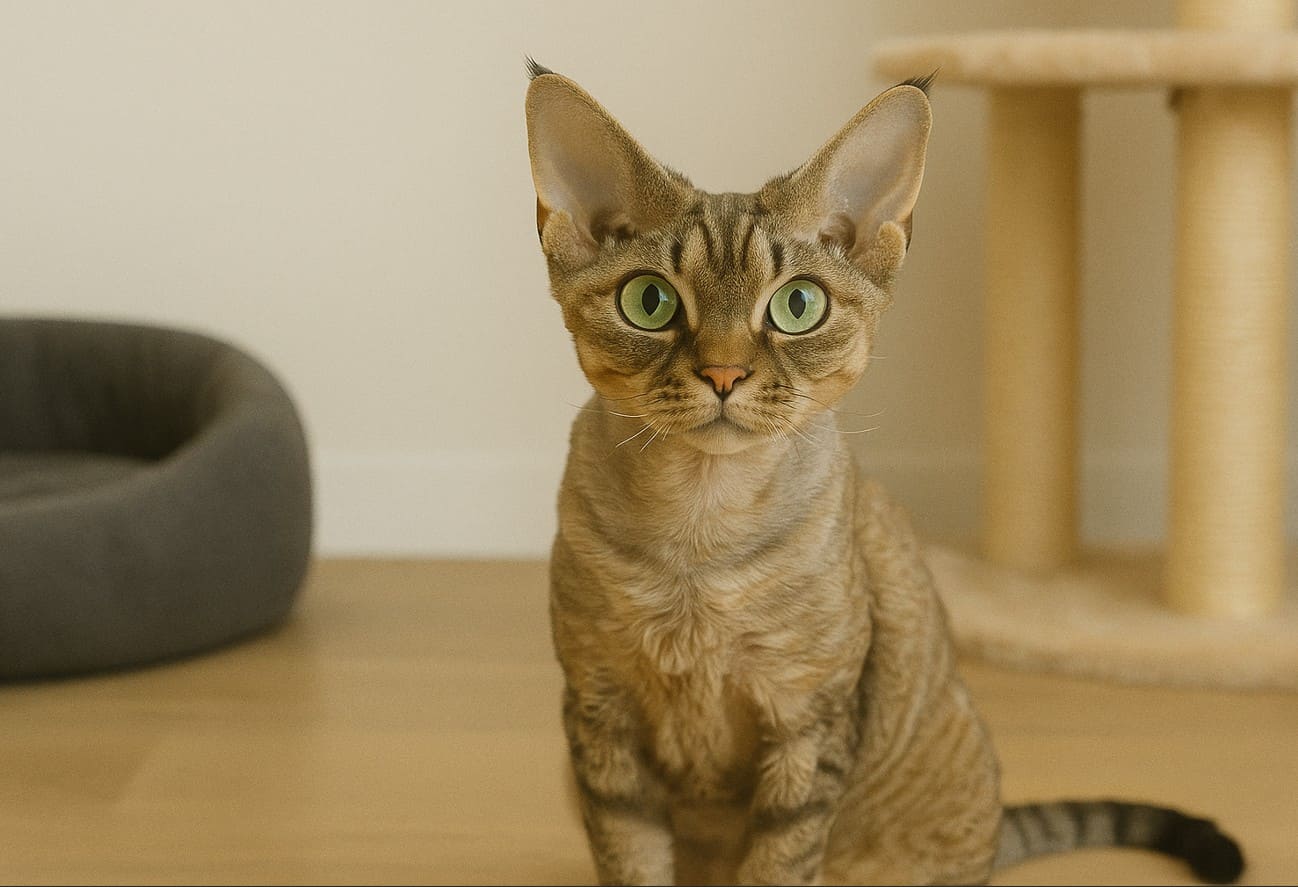
The Devon Rex cat is one of the most distinctive and charming cat breeds in the world. Known for its curly coat, large ears, and playful personality, this breed has won the hearts of cat lovers everywhere. Whether you are considering adding a Devon Rex cat to your family or simply want to learn more about this fascinating breed, understanding its characteristics, care requirements, and temperament can help you appreciate what makes it so special.
Origin and History of the Devon Rex Cat
The Devon Rex cat originated in Devon, England, during the late 1950s. The breed began with a naturally occurring genetic mutation that resulted in a unique curly coat. Unlike the Cornish Rex, another curly-coated breed, the Devon Rex has a different gene responsible for its distinctive appearance. Through careful breeding, enthusiasts developed the Devon Rex into the healthy and recognizable breed we know today.
Physical Characteristics
One of the most recognizable features of the Devon Rex cat is its soft, wavy coat. The fur is short, fine, and often described as feeling like velvet. Because of its unusual coat texture, the Devon Rex stands out among other cat breeds.
The breed also has large, low-set ears, prominent cheekbones, and expressive eyes that give it an elf-like appearance. Devon Rex cats are medium-sized with slender bodies, long legs, and a graceful build. Despite their delicate look, they are surprisingly muscular and athletic.
Personality and Temperament
The Devon Rex cat is famous for its affectionate and people-oriented personality. These cats thrive on human interaction and often form strong bonds with their owners. They enjoy being involved in family activities and are known for following their humans from room to room.
Playful and intelligent, Devon Rex cats remain kitten-like well into adulthood. They love interactive toys, puzzle games, and learning new tricks. Their curious nature makes them excellent companions for active households.
Because they crave attention, Devon Rex cats generally do not enjoy being left alone for long periods. They often get along well with children, other cats, and even cat-friendly dogs, making them a versatile family pet.
Grooming and Care
Although the Devon Rex cat has a short coat, it still requires some grooming. Their fine fur can be delicate, so gentle brushing is recommended only when necessary. Excessive grooming may damage the coat.
The breed tends to produce natural skin oils that are not fully absorbed by the sparse fur. As a result, some Devon Rex cats may occasionally benefit from gentle bathing to keep their skin clean and healthy.
Regular ear cleaning is also important because their large ears can accumulate wax more quickly than other breeds. Routine nail trimming, dental care, and veterinary checkups help maintain overall health.
Health Considerations
The Devon Rex cat is generally a healthy breed with a lifespan of 12 to 16 years or more. Responsible breeders perform health screenings to reduce the risk of inherited conditions. Potential owners should seek kittens from reputable breeders who prioritize health, temperament, and proper socialization.
Providing a balanced diet, regular exercise, and preventive veterinary care contributes significantly to the long-term well-being of a Devon Rex cat.
Is the Devon Rex Cat Right for You?
The Devon Rex cat is an excellent choice for individuals and families seeking a loving, playful, and interactive pet. Their unique appearance, intelligence, and affectionate nature make them stand out among cat breeds. However, because they thrive on companionship, they are best suited for homes where they receive plenty of attention and engagement.
If you are looking for a cat that combines beauty, personality, and endless entertainment, the Devon Rex cat may be the perfect addition to your home. With proper care and affection, these remarkable cats can become devoted companions for many years.
 Mamunnur Roshid