 By A Zadid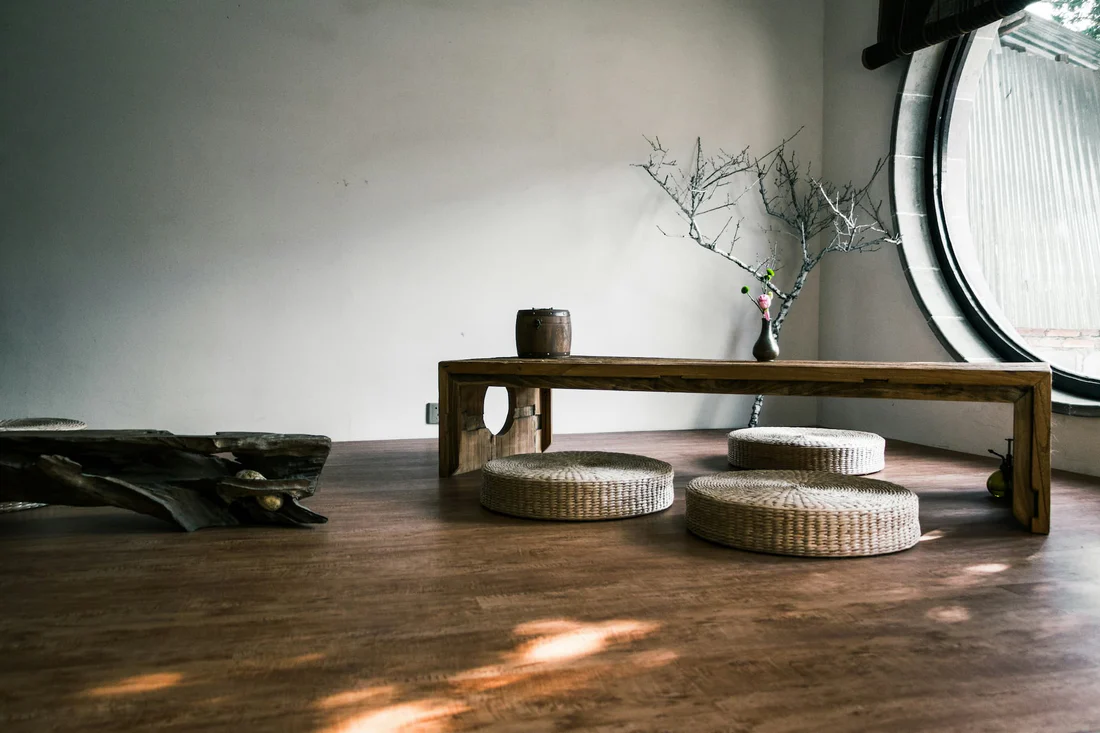
Contemporary interior design trends have veered away from precision and alignment, leading to more organic and emotional expressions. Brought on by this transition, Wabi-Sabi Art is one of the strongest philosophies behind it, which recognizes imperfections, a new simplicity as well as authenticity.
The Wabi-Sabi Art collection draws from this philosophy creating organic textures, minimal composition and capturing natural beauty. The method does not value super shiny ornamental modes, instead opting for raw surfaces, possibly a slight random variation and the quiet beauty of natural materials.
Understanding Wabi-Sabi Art Philosophy
Wabi Sabi Art is not simply a design style, it is a way to see the world. It follows the principle of nothing lasts forever, nothing is perfect, and nothing is ever complete.
This mind-set stems from traditional Japanese culture and focuses:
Imperfection as beauty
Simplicity over complexity
Natural aging and texture
Emotional calmness
Authentic material expression
In interior design, this manifests in combinations of colour and material that create what Austerlitz describes as quiet, grounding, profoundly human spaces.
The Japanese Aesthetic in Modern Interior Design
The Japanese Aesthetic is greatly tied to minimalism, nature and balance. It is concerned with eliminating unnecessary elements and emphasising natural form and material.
As applied to Wabi-Sabi Art, this aesthetics results in interiors characterized by:
Calm and uncluttered
Soft in color and tone
Balanced in composition
Connected to nature
Which makes it perfect for modern homes in search of emotional simplicity.
The Beauty of Imperfection in Wabi-Sabi Art
While modern luxury design often emphasizes flawless detail, Wabi-Sabi Art gleans beauty from imperfection.
Cracks, roughness, greyish colors, and irregular textures are not defects – they are the effects of time and nature.
These elements create:
Emotional depth
Authentic visual character
Natural storytelling
Organic design flow
This renders every piece of art singular and unreplicable.
Natural Texture and Material Expression
A prominent feature of the Wabi-Sabi Art collection is texture. Manor Natural sticks to surfaces like plaster, stone and clay pigments that mimic the organically beautiful.
These textures help create:
Soft shadow variations
Raw surface depth
Visual warmth
Tactile emotional experience
In contrast to digital or printed art, textured Wabi-Sabi pieces have a tangible link to the space.
Creating Zen-Like Interiors
Wabi-Sabi Art ends with serene and meditative spaces able. A Zen-like interior is not a decorative aesthetic, but an emotional and psychological equilibrium.
Wabi-Sabi inspired interiors often include:
Neutral color palettes
Raw materials such as wood and clay
Soft lighting conditions
Minimal furniture arrangement
These components intertwine to provide tranquil spaces where one can unwind.
Ideal Interior Applications
Wabi-Sabi Art collection falls right in:
Living Rooms
Provides a serene, grounding anchor.
Bedrooms
Supports rest and emotional relaxation.
Meditation Spaces
Enhances mindfulness and Zen atmosphere.
Modern Offices
Decreases visual strain and enhances focus.
Styling Principles for Wabi-Sabi Interiors
Notifying to Japanese Aesthetic and Wabi-Sabi philosophy:
Use natural, muted tones
Avoid glossy or synthetic materials
Keep spaces intentionally simple
Allow empty space (negative space)
Focus on material authenticity
This principle lets the artwork actually be part of something, and not just decoration.
Conclusion
Wabi-Sabi Art has a profoundly meaningful approach to contemporary interior design. In a sense that you embrace naturally imperfect shape with natural texture, it expresses the Japanese Aesthetic.
It converts interiors into tranquil, genuine and emotionally balanced spaces that rely on minimalism as the ultimate form of beauty.
 Alex Robinson