 By Mamunnur Roshid
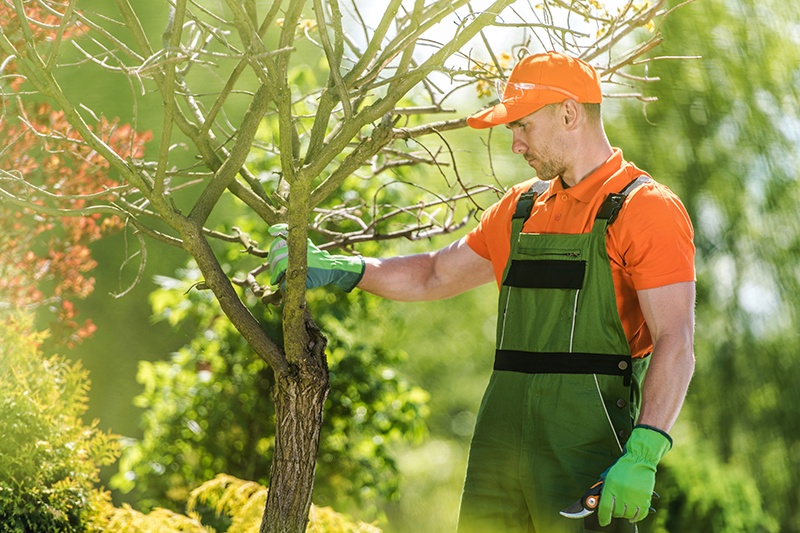
Severe weather can cause unexpected damage to trees and surrounding property. Strong winds, heavy rainfall, lightning, and ice may break branches, split trunks, or cause entire trees to fall. When tree damage creates immediate hazards, emergency tree service can help property owners address the situation and plan the necessary cleanup.
Recognizing an Emergency Tree Situation
Not every fallen branch requires an emergency response, but some conditions demand prompt attention. A tree resting on a building, a split trunk above a busy area, or a large hanging limb may create a serious hazard.
Trees that have shifted suddenly or show signs of root movement should also be treated cautiously. The tree may be unstable even if it has not yet fallen.
Property owners should keep people away from potentially dangerous areas and contact a qualified tree service provider. If electrical lines are involved, the utility company or appropriate emergency service should be contacted according to local procedures.
Why Immediate Assessment Matters
Storm-damaged trees can contain hidden weaknesses. A branch may remain suspended in the canopy, while a cracked trunk may appear stable despite being structurally compromised.
A professional assessment helps determine the extent of the damage and the safest approach to managing it. The provider considers the tree’s position, nearby structures, access limitations, and potential movement during removal. RMZ Tree Service does Lynchburg tree removal.
Emergency work should prioritize immediate hazards rather than cosmetic improvements. Additional pruning and landscape restoration can often be planned after the most urgent concerns have been addressed.
Managing Fallen Trees Near Buildings
A tree that falls onto a house, garage, fence, or vehicle may create a complicated removal situation. The weight of the tree can affect the damaged structure, and removing sections without careful planning may cause additional movement.
Professional crews evaluate the load, the direction of pressure, and the available working space. Depending on the situation, they may use specialized cutting methods, rigging, or machinery to remove sections gradually.
Homeowners should not attempt to cut or move a heavily loaded tree themselves. Damaged wood and compressed branches can shift suddenly and cause serious injuries.
Understanding Emergency Tree Service Costs
Emergency tree service costs vary according to the extent of the damage, tree size, location, equipment requirements, and urgency of the response.
A tree lying in an open yard may be easier to manage than one resting on a roof or tangled with utility infrastructure. Restricted access and the need for specialized machinery can increase the complexity of the work.
Property owners should request information about the proposed work, expected charges, debris removal, and any additional services. When circumstances allow, written documentation can help clarify the scope of the project.
Documenting Damage for Insurance
When storm damage affects a property, photographs and written records may be useful for insurance purposes. Homeowners can document the damage from a safe location before cleanup begins, provided it is safe to do so.
They should avoid entering damaged buildings or approaching unstable trees simply to obtain photographs. Safety takes priority over documentation.
Coverage depends on the policy, the cause of damage, and the specific circumstances. Property owners should contact their insurer to understand reporting requirements and any documentation needed.
Cleaning Up and Restoring the Landscape
After hazardous trees and branches have been removed, the property may need additional cleanup. This can include hauling debris, grinding stumps, repairing damaged lawn areas, and assessing nearby trees.
Storm damage may affect more than the tree that fell. Nearby branches can be broken, and roots may be disturbed by waterlogged soil or falling trunks.
A follow-up inspection can help identify trees that need monitoring or additional maintenance. Replacement planting may also be considered once the area has been cleared and evaluated.
Reducing Future Storm Risks
Although emergency tree damage cannot always be prevented, regular maintenance may help identify certain hazards before severe weather arrives.
Periodic inspections, appropriate pruning, and attention to soil and root conditions can improve awareness of developing problems. Trees near buildings and heavily used spaces may deserve particular attention.
A planned maintenance schedule is generally more manageable than waiting until severe damage occurs.
Conclusion
Emergency tree service plays an important role when storm-damaged trees create immediate safety or property concerns. Professional assessment, controlled removal, careful cleanup, and follow-up inspections can help property owners recover more safely. Preparing trees throughout the year may also reduce some preventable hazards and improve landscape resilience.
 Alex Robinson